Bulky waste removals in Lea Bridge: what to expect
Posted on 10/06/2026

Bulky Waste Removals in Lea Bridge: What to Expect
If you have a sofa wedged in a hallway, a mattress that has seen better days, or a shed full of odd bits you keep meaning to sort out, bulky waste removals in Lea Bridge can feel like a proper relief. The process is usually simpler than people expect, but there are a few details that make a big difference on the day: access, loading time, what can be taken, and how items are handled once they leave your property. This guide walks you through the practical side of it all, so you know what to expect, what to prepare, and how to avoid the usual last-minute stress.
In practice, bulky waste collection is less about "dumping stuff" and more about moving awkward, heavy, or oversized items safely, legally, and efficiently. That matters whether you're clearing a flat near Lea Bridge Road, getting ready for a move, or just reclaiming some space. Let's get into the real-world version, not the brochure version.
Why bulky waste removals in Lea Bridge matter
Bulky waste is the awkward stuff that does not fit neatly into a normal bin collection. Think wardrobes, sofas, white goods, broken desks, rugs, exercise equipment, garden furniture, and the random leftovers that build up after a house clear-out. In a dense London area like Lea Bridge, those items can quickly become a nuisance if they are left in a hallway, front garden, or shared entrance.
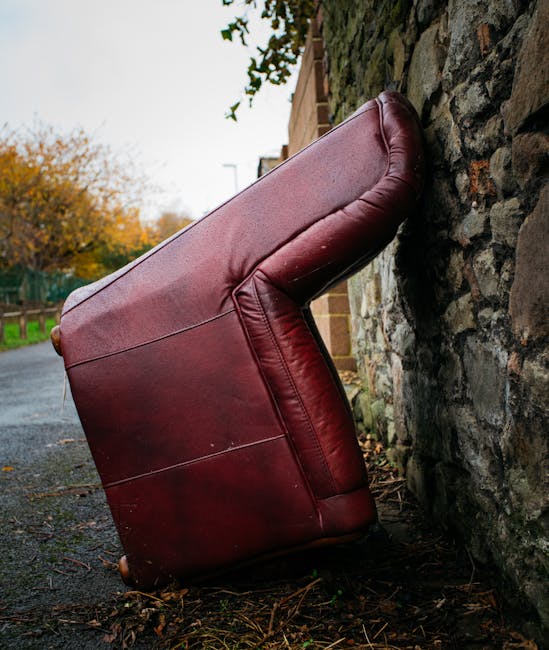
There is also the safety angle. A heavy item leaning against a wall may seem harmless until it tips, scratches a floor, blocks a fire exit, or makes a narrow stairwell dangerous to use. In flats, maisonettes, and converted houses especially, bulky waste can become a shared problem very fast. That is why people often look for a removal service rather than trying to manage it piecemeal.
Another reason it matters is timing. When a move is underway, bulky items often get in the way of everything else. You can pack around them for a while, sure, but eventually the sofa, the old mattress, or the unwanted chest of drawers has to go. If you are already thinking about decluttering, you may also find it useful to read about how decluttering can make a move feel lighter and more manageable. That kind of planning often saves time later.
And truth be told, people underestimate the hassle. "I'll just move that old cupboard myself" sounds fine until you realise it takes two people, a trolley, some padding, and a van with the right loading space. By the time you have borrowed gloves and opened three cupboard doors to make room, the day is already a bit messy. Been there, as they say.
How bulky waste removals in Lea Bridge work
Most bulky waste removals follow a simple pattern: you describe the items, arrange a collection time, prepare the waste, and let the team remove, load, and transport it. The exact process depends on whether you are using a local removal company, a man and van service, or a specialist bulky item pickup. But the core workflow is similar.
First comes the assessment. This may be done over the phone, by message, or via photos. The aim is to understand item size, quantity, weight, access, and whether there are any tricky pieces such as a piano, appliance, or dismantled furniture. If your bulky load is part of a larger move, it may sit alongside other services such as general removals in Lea Bridge or even a short-notice booking through same-day removals in Lea Bridge where timing is tight.
Next, the collection is scheduled. On the day, the team usually arrives with the right vehicle, moving equipment, and loading tools. Depending on access, they may need to navigate stairs, tight corners, communal entrances, parking restrictions, or a long carry from your door to the vehicle. That part matters more than most people realise. A ground-floor pick-up is one thing; a fourth-floor flat with a narrow stairwell is another.
Once the items are loaded, they are transported for reuse, recycling, or disposal depending on condition and material type. Responsible handling is the best practice here. If a provider mentions sustainability in a general way, that is useful, but it is worth understanding what that really means in practice. A good starting point is the company's approach to recycling and sustainability, especially if you want old items to be handled thoughtfully rather than just shifted out of sight.
Some people expect bulky waste removals to be a one-size-fits-all job. They are not. A single broken wardrobe is a very different job from clearing a flat after a tenancy or dealing with a mixed pile of furniture and bagged waste. The better you describe the load, the smoother the collection.
Key benefits and practical advantages
The obvious benefit is convenience. You do not need to organise a van, wrangle lifting help from a neighbour, or spend your evening trying to squeeze a mattress through a stairwell at an angle that clearly was not designed for human life.
There are, though, a few deeper advantages that are easy to miss:
- Less physical strain: heavy lifting is one of the biggest causes of avoidable injury during DIY clear-outs.
- Faster room turnaround: a cleared spare room, hallway, or garage becomes usable again almost immediately.
- Reduced damage risk: trained movers are more likely to protect door frames, floors, and shared areas.
- Better disposal outcomes: items may be separated for reuse or recycling where possible.
- Cleaner handover: if you are moving out, a clear property is easier to leave tidy for the next stage.
For many Lea Bridge households, that last point matters a lot. If you are leaving a property, bulky waste removal often sits alongside end-of-tenancy prep. In that case, a helpful companion read is move-out cleaning and finishing touches, because the two tasks tend to overlap in real life.
There is also peace of mind. You are not improvising with straps, borrowed blankets, or a car that is slightly too small. A service built for the job usually feels calmer. And calm is underrated when you have six things to do before lunchtime.
Who this is for and when it makes sense
Bulky waste removals in Lea Bridge make sense for a lot of different people. It is not just about major house moves. In fact, the most common jobs are often small, practical, and slightly annoying rather than dramatic.
You may need this service if you are:
- clearing out old furniture before a move
- replacing a sofa, bed, or mattress
- emptying a student flat at the end of term
- removing office desks, chairs, or filing units
- getting rid of broken appliances
- sorting a loft, shed, or storage room
- preparing a rental property for inspection
It is especially useful if the items are too heavy or awkward for one person, or if you live in a building where access is tight. People in upper-floor flats, shared houses, and busy streets near transport links often find that the logistics are the real issue, not the waste itself. If your collection is happening during a move near a busy area, you may also want to look at practical drop-off advice near Lea Bridge Station so the day runs more smoothly.
On the other hand, if you only have one small item and very easy access, a bulky waste service might be more than you need. To be fair, not every job requires a full removal setup. Sometimes a quick local pickup or a simple skip alternative may be enough. The key is matching the method to the load.
Step-by-step guidance
If you want the collection to go well, think of it in stages rather than as a single event. That makes the whole thing much easier to manage.
- Identify everything that needs to go. Walk through the space and note each item clearly. Do not forget bits like side tables, broken shelving, and loose parts.
- Check access. Measure doorways, stair turns, lifts, and any tight corridors. A quick look now avoids a lot of swearing later.
- Take photos. Pictures help the provider judge size, condition, and loading difficulty.
- Separate useful items from waste. If anything can be reused, donated, or kept, move it out of the collection zone.
- Confirm what is included. Make sure the service knows whether they are removing furniture, appliances, mattresses, mixed rubbish, or all of the above.
- Prepare the route. Clear obstacles, unlock gates, and protect vulnerable floors if needed.
- Be ready at the agreed time. Collections are usually smoother when someone is on hand to answer questions.
- Check the area afterwards. Look for screws, splinters, or packaging left behind.
That sounds simple because, in principle, it is simple. The tricky bit is how quickly a small obstacle can slow things down. A bike in the hallway, a child gate left in place, or a car blocking access to the front door can turn a ten-minute job into a half-hour puzzle.
If your bulky waste forms part of a bigger moving project, you will probably benefit from a broader preparation plan. The article on stress-free house moving is a useful companion piece for the wider picture, while packing properly for a smooth transition helps with everything that stays behind or moves with you.
Expert tips for better results
Here is the kind of advice that tends to make collections easier in the real world, not just on paper.
1. Be very clear about item condition.
Broken furniture, water-damaged pieces, and mixed loads can change how a team handles the job. If something is sharp, dusty, or unstable, say so up front.
2. Group items by room.
This sounds minor, but it saves time. A pile from the bedroom, a pile from the lounge, and a pile from the shed is far easier to work through than a random mountain in the middle of the landing.
3. Remove loose contents early.
Drawers, cushions, shelves, and contents in cabinets should usually be emptied before collection. It makes lifting safer and cleaner.
4. Think about dismantling.
Sometimes taking a bed frame or wardrobe apart is the difference between a smooth job and a stressful one. If you need a reference point, this guide on moving beds and mattresses is useful because many bulky removals involve the same kind of access and handling challenges.
5. Plan around parking early.
In London, parking and loading space can be the hidden headache. If a vehicle cannot get close enough, the team may spend more time carrying items than loading them. That affects the pace, and sometimes the price.
6. Keep safety in the front of your mind.
Do not try to muscle a heavy wardrobe down stairs by yourself. One small slip can create a big problem. If you want a clearer sense of the physical side, the article on solo heavy lifting explains why moving alone is not always the clever shortcut it seems.
7. Ask about responsible disposal.
Even if you are not interested in the full logistics, it is still worth knowing whether items are being reused, recycled, or disposed of in a careful way. That is part of a decent service, not a bonus extra.
Expert summary: the smoother the prep, the quicker the collection. Clear access, accurate descriptions, and grouped items usually save time, reduce hassle, and lower the risk of damage. Nothing flashy. Just sensible planning.
Common mistakes to avoid
Most problems with bulky waste removals are avoidable. The awkward bit is that they are usually simple mistakes people make because they are trying to save time.
- Underestimating access: a narrow stairwell or awkward parking spot can change the whole job.
- Leaving contents inside items: a filled wardrobe or heavy drawer unit is more difficult and less safe to move.
- Forgetting to mention mixed waste: furniture, electricals, and general rubbish may need to be handled differently.
- Trying to shift everything in one go: one oversized load can be harder to manage than two smaller, organised piles.
- Assuming every item can be taken without checking: there may be limits on hazardous or specialist waste.
- Not preparing for stairs or corners: a lot of damage happens on the turn, not the lift itself.
And here is a small one that catches people out all the time: they wait until collection day to decide what is staying. That is a recipe for confusion. If your hallway looks like a half-packed attic at 8 a.m., everyone loses a bit of energy.
A gentle rule of thumb? Decide the night before, tape off what is going, and keep what is staying somewhere obvious. Sounds boring. Works brilliantly.
Tools, resources and recommendations
You do not need a garage full of gear, but a few simple tools can make bulky waste removal much easier.
- Work gloves: useful for grip and for handling rough surfaces.
- Strong tape or labels: helpful for marking items that are definitely going.
- Measuring tape: essential for checking whether bulky furniture will fit through doors and stair bends.
- Blankets or protective covers: handy for protecting floors and walls.
- Basic screwdriver or Allen keys: useful if items need quick dismantling.
- Phone camera: simple but effective for sending item photos before the collection.
On the service side, it helps to understand the wider support options available. A broad overview of local help can be found through the services overview, while people with a mix of furniture and bulky pieces may also want to review furniture removals in Lea Bridge for context on handling large household items safely.
If you are moving in or out of a flat, space management becomes even more important. Narrow halls, shared entrances, and stairs mean that a thoughtful plan is worth its weight in gold. There is a reason experienced movers spend so much time on the first ten minutes of a job. It sets the tone for the rest of it.
Law, compliance, standards and best practice
When bulky waste is removed, the main principle is straightforward: it should be handled safely and disposed of responsibly. In the UK, that means working in line with waste handling duties, transport expectations, and common-sense environmental practice. You do not need to become a legal expert just to clear a sofa, but you should expect a provider to handle waste carefully and lawfully.
Best practice usually includes:
- clear identification of what is being removed
- safe lifting and loading methods
- appropriate vehicle use for transport
- separation of reusable or recyclable items where possible
- careful handling of electrical items and potentially sensitive materials
- transparent communication about what can and cannot be taken
If you are comparing providers, ask about insurance, health and safety practices, and how they manage risk on site. Those things matter more than a shiny pitch. The same goes for written terms, payment clarity, and any restrictions around access or special loads. A solid provider should be able to explain those points without fuss.
For readers who like to check the background before booking, the company pages on insurance and safety and health and safety policy are useful trust signals. You are not being difficult by asking about this. You are being sensible.
There is also the matter of privacy and service terms, which may matter when you are booking by message or sharing access details. If you want to see how the company handles those basics, you can review the privacy policy and terms and conditions. And yes, it is a bit dull. Still useful.
Options, methods and comparison table
Not every bulky item job needs the same solution. Some people need a full collection, some need mixed waste moved, and some just need a heavy item taken from one address to another before disposal. Here is a practical comparison.
| Option | Best for | Typical strengths | Possible drawbacks |
|---|---|---|---|
| Bulky waste removal service | Single large items or mixed oversized waste | Convenient, quicker, less physical effort | May cost more than DIY if you only have one small item |
| Man and van support | Flexible loads, awkward access, short-notice jobs | Good for tight streets and mixed household items | Needs clear item descriptions for accurate planning |
| General removal service | Bulkier items as part of a larger move | Useful when furniture and waste are removed together | May be more than you need for a very small load |
| Self-managed clearance | Very small loads and easy access | Can be cheap if you already have help and transport | Heavy lifting, time pressure, and higher damage risk |
If the job is really just about moving something large safely, the same practical thinking applies across different services. You might find the local pages for man and van in Lea Bridge or man with a van in Lea Bridge helpful when deciding how much support you actually need.
And if the load is not waste but still needs careful movement, specialised help can make a big difference. A good example is piano removals in Lea Bridge, where the handling rules are much stricter because of weight, balance, and damage risk. Different job, same principle: use the right method, not the quickest guess.
Case study or real-world example
Here is a realistic example from the sort of job people ask for all the time. A Lea Bridge resident in a first-floor flat had a broken sofa, a disassembled wardrobe, and two old bedside tables to get rid of before an end-of-tenancy clean. Nothing dramatic. Just clutter that had outstayed its welcome.
At first, the plan was to move everything separately over a few weekends. That lasted about ten minutes. The sofa was too awkward for the staircase, one wardrobe panel was warped, and the hallway had a tight turn that made every lift feel more complicated than it should have been. So they switched to a booked removal instead.
Before collection, the items were grouped by the front room, screws and loose fittings were bagged, and a quick sweep of the route removed anything that could trip someone up. The team arrived, checked access, and loaded the pieces in a way that protected both the wall corners and the floor. The whole thing was finished far faster than the DIY version would have been, and there was no damage to the flat.
What made the difference? Not luck. Just prep. The customer had also already thought about post-clearance storage for the items they were keeping, which is where something like storage in Lea Bridge can be useful for people who are mid-move or waiting between tenancies.
That is the pattern, really. The job looks big from the sofa, then becomes manageable once you break it down. Small decisions. Clear access. Proper handling. Nothing fancy.
Practical checklist
Use this checklist the day before collection. It will save you from the usual last-minute scramble.
- Confirm the collection time and address
- List every item to be removed
- Take photos of bulky or awkward pieces
- Clear the route from room to exit
- Measure narrow doors, stairs, or lifts if needed
- Empty drawers, cupboards, and appliance contents
- Separate items you want to keep
- Check parking or loading access
- Protect floors or walls if the route is tight
- Keep keys, entry codes, or gate access ready
- Ask about recycling, reuse, or disposal handling
- Do a final room-by-room check after collection
If the job is part of a bigger move, it can also help to keep a small "moving essentials" bag nearby so you are not hunting for chargers, documents, or bin bags on the day. A surprisingly common mistake. Small chaos, big annoyance.
Conclusion
Bulky waste removals in Lea Bridge are usually straightforward once you know what to expect: a clear description of the items, a sensible plan for access, safe loading, and responsible handling afterwards. The less you leave to guesswork, the smoother it tends to go. That is the simple truth.
Whether you are clearing a flat, replacing furniture, or tidying up before a move, the best result comes from treating bulky waste as a practical logistics job, not a last-minute panic. Get the measurements right, prepare the route, and choose the level of help that fits the load. It really can be that simple.
Get a free quote today and see how much you can save.
And if you are still in the planning stage, that is perfectly fine. A careful start usually leads to a much calmer finish, and that calm is worth a lot.