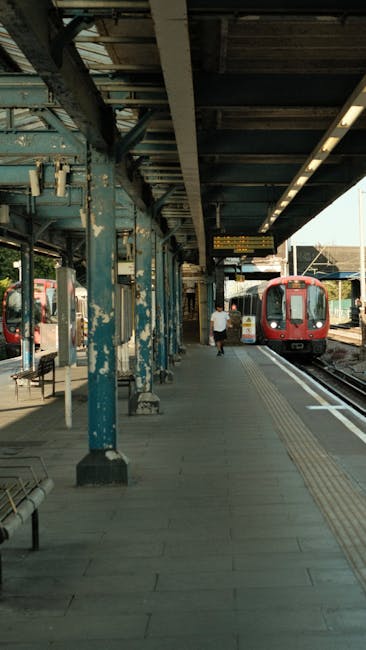
Student end of term man with van moves near Lea Bridge Station: a practical guide for a stress-free move
End of term has a way of sneaking up on you. One minute you are revising, or trying to revise, and the next you are looking at half-packed boxes, a bike, a kettle, and a room that somehow contains more stuff than you thought possible. If you are planning Student end of term man with van moves near Lea Bridge Station, the good news is that it does not need to be chaotic. With a bit of planning, the right vehicle size, and a sensible loading order, the whole thing can be quick, tidy, and far less stressful than dragging everything across London on your own.
This guide breaks down how the process works, what to expect, how to avoid common mistakes, and how to choose a move that suits student budgets and tight turnarounds. It also covers practical details that matter near a busy station area, where timing, access, and parking can make a real difference. Let's face it, nobody wants to be standing on the pavement at 8:30 in the morning wondering where the van is while the lift is busy and your housemate has already left.
Why Student end of term man with van moves near Lea Bridge Station Matters
Student end-of-term moves are a very specific kind of job. They are rarely full-house removals, but they still need proper handling. You might only have a few bags, a desk chair, a suitcase, a monitor, and several carrier bags full of things that were never supposed to become "stuff" in the first place. Or you might be moving out of a shared house and helping two friends clear their rooms too. Either way, timing tends to be tight and the margin for error is small.
Lea Bridge Station adds another layer. Around stations, traffic can change quickly, road space is limited, and loading access can be awkward if you have not planned it. A student move near a transport hub often needs a smaller, flexible setup rather than a huge removal lorry. That is where a local man with van service or broader man and van support can make the difference between a calm handover and a rushed scramble.
It also matters financially. Students usually want a move that is efficient and straightforward, not over-engineered. You do not need a giant team if the job is a one-trip or two-trip move with a handful of boxes. But you do need someone who understands stairs, access, fragile items, and the reality of student timelines. In our experience, a good student move is mostly about removing friction. Simple as that.
Expert takeaway: the best student end-of-term move is the one that matches the load, the access, and the clock. Not the one with the biggest van or the fanciest label.
How Student end of term man with van moves near Lea Bridge Station Works
At a practical level, the process is usually simple. You book a vehicle and driver for a time slot, prepare your belongings, and load everything in one organised run. If the move is local, it may be as short as collecting items from a student house, heading to a storage unit, or taking belongings to a new address elsewhere in East London or beyond.
The key is matching the service to the move. A smaller van is ideal for boxes, a bicycle, a suitcase, and a few pieces of compact furniture. A larger load may suit a removal van or even a bigger vehicle depending on the number of people and the amount of furniture. For mixed or heavier jobs, some customers look at removal services or more complete removals support instead of trying to squeeze too much into one trip.
The booking usually starts with details: pick-up and drop-off addresses, floor level, whether there is a lift, what needs moving, and whether there are fragile or awkward items. That information helps decide if you need a compact van, a medium van, or a setup better suited to bulkier student furniture. A couple of boxes? Easy. A mattress, desk, desk chair, mini fridge, and three laundry baskets? Still manageable, but it needs a bit more thought.
Near Lea Bridge Station, arrival timing matters. A van may need to wait for a safe loading position rather than blocking access. This is normal in urban areas. The move works best when you pack with loading order in mind: last out should be first in, and the things you will need immediately should stay on top or in a separate bag. No mystery boxes. No "miscellaneous" box unless you are happy to become its future detective.
Key Benefits and Practical Advantages
There is a reason students use van-based moves so often. The advantages are practical, not just convenient.
- Lower cost for smaller loads: you pay for the vehicle size and time you actually need, not for spare capacity you will never use.
- Less heavy lifting: no need to drag a mattress or boxed-up monitor through the station area by hand.
- Faster turnaround: a good van move can be completed in a single visit, which is ideal when you need to vacate a room by lunchtime.
- Flexible access: vans can often handle tighter residential streets better than larger trucks.
- Better protection for belongings: items stay in one secure space rather than being split across borrowed cars and random boot space.
Another advantage is peace of mind. Students often have a lot going on at the same time: exams, end-of-tenancy cleaning, key handback, admin, and travel plans. Having the transport part sorted removes one big decision from the list. And honestly, that can be a relief. One less thing. Sometimes that is everything.
If you are moving out with flatmates, a van-based approach also helps you coordinate all your belongings in one go. Rather than three people organising three separate cars and three different timings, you can load everything in an orderly way and finish sooner. It feels calmer, and it usually is.
Who This Is For and When It Makes Sense
This type of move is ideal for students who need a practical, no-drama solution for the end of term. It suits people leaving halls, shared student houses, private rentals, or temporary accommodation near Lea Bridge Station and surrounding neighbourhoods.
It makes particular sense if you:
- have more than a few bags but less than a full house move
- need help moving furniture, boxes, or a bike
- are heading to storage, another term-time address, or home for the break
- have limited access to a car or cannot rely on friends with vehicles
- want to keep costs sensible while still getting the job done properly
It can also work well for students with awkward scheduling. If your lease ends at 11am and your exams finish the evening before, the whole thing may be a bit of a rush. That is exactly when a coordinated moving van is useful. There is no point pretending you have all week if you do not.
Students with minimal items may only need a very small load move. Students with shared household contents, meanwhile, might be better off looking at a fuller service such as man with van removal or one of the broader movers options. The right choice depends on volume, not ego. Truth be told, most moves are easier once you stop trying to make them sound bigger than they are.
Step-by-Step Guidance
If you want the move to feel easy on the day, work backwards from the finish line. That is usually the cleanest way.
- List everything you are moving. Write down furniture, boxes, bags, electronics, and anything fragile.
- Check access at both ends. Think about stairs, lifts, parking space, and whether the van can stop nearby safely.
- Choose the right service size. A small student move may suit a van; a bigger shared-house move may need a larger vehicle or additional help.
- Pack room by room. Keep similar items together and label boxes clearly.
- Separate essentials. Keep keys, chargers, documents, medication, and one day's clothes with you.
- Protect fragile items. Use padding for screens, glass, and anything that can be crushed.
- Confirm timing the day before. Small delays are normal in London, but you want to avoid surprises.
- Load in a sensible order. Heavy items first, fragile items last, and essentials easy to reach at the end.
- Do a final room check. Open cupboards, look under beds, and check sockets and shelves. People forget things there all the time.
A small human tip: keep one tote bag for the "must not lose" stuff. Passport, student ID, wallet, phone charger, tenancy paperwork, and keys. Put it near the door. Not in a random box. Not under the bed. Near the door.
Expert Tips for Better Results
Over the years, the same details crop up again and again. The moves that go smoothly are rarely the most dramatic ones. They are the ones with a bit of planning and realistic expectations.
- Book earlier than you think. End-of-term dates create a lot of demand, especially around weekends.
- Be honest about volume. Underestimating the load is one of the quickest ways to turn a tidy move into an awkward one.
- Measure large items if you can. A mattress that "should fit" is not the same as a mattress that definitely fits.
- Use uniform box sizes where possible. Boxes stack better, and the van is used more efficiently.
- Keep a cleaning kit separate. You may need it for the final tenancy sweep, and it is annoying to dig it out later.
- Wrap cables and label them. This saves time at the other end, especially with desks and monitors.
If you are sharing a van with flatmates, divide items clearly before collection. One person's kettle should not end up in somebody else's storage pile. It sounds obvious. It happens anyway.
Near Lea Bridge Station, the most useful tip is to keep the loading plan simple. If the route from your front door to the van is short and clear, the whole job feels less rushed. If it is cluttered with bags and everyone is carrying something different, the pace drops fast. The fix is easy: stage everything by the door before the vehicle arrives.
Common Mistakes to Avoid
A student move does not usually go wrong because of one big issue. It tends to unravel because of five little ones stacked together. Bit annoying, really.
- Leaving packing until the last night. This makes you more likely to mislabel items or forget essentials.
- Not checking parking or access. In a station area, this can slow everything down.
- Mixing valuable items with loose items. That is how chargers, documents, and small accessories disappear.
- Booking a vehicle that is too small. Splitting the move into extra runs usually costs time and can cost more money too.
- Forgetting about end-of-tenancy timing. If you need the van, the cleaners, and the key handback all on the same morning, schedule carefully.
- Assuming every item will survive without protection. Screens, mirrors, and lamps need a bit of care.
Another common mistake is trying to move everything yourself just to save a few pounds. Sometimes that works. Often it becomes a tiring, awkward, all-day job with multiple lift journeys and one too many "I'll just carry this too" moments. If the job is more than a handful of bags, a van is usually the sensible call.
Tools, Resources and Recommendations
You do not need a complicated toolkit, but a few items can make the move much smoother.
- Strong boxes: use consistent sizes where possible so they stack safely.
- Marker pens and labels: label by room, not just by contents.
- Bubble wrap or blankets: useful for screens, glass, and lamp shades.
- Tape: keep it nearby, not somewhere "safe" that you cannot remember at 7am.
- Trolley or sack barrow: handy if there is a fair walk from the property to the van.
- Protective covers: especially useful for mattresses and fabric furniture.
On the service side, it can help to read about the company's pricing and quotes approach before you commit, particularly if you need flexibility around dates or shared loads. You may also want to check how they handle insurance and safety, which is sensible whenever furniture, fragile items, or stairs are involved.
If you are moving out in a way that creates reusable clutter or spare furniture, you may also find it useful to look at furniture pick up and recycling and sustainability. Students often accumulate a surprising number of things that are too good to dump but not worth carting home. That part matters too.
Law, Compliance, Standards and Best Practice
For a student move, you do not usually need to worry about heavy regulatory complexity, but there are still sensible standards worth respecting. Good moving practice in the UK generally means safe loading, careful handling, clear communication, and respect for access and parking rules. If a van has to stop near a station or on a narrow road, the operator should think about safety first rather than convenience.
Best practice also includes being clear about what is being moved, what the service covers, and any limits around items that need special care. If you are using a professional moving provider, it is reasonable to expect transparent terms, fair payment handling, and a proper complaints route if something does go wrong. Those details are not glamorous, but they are part of trust. The boring bits are often the important bits.
It is also sensible to think about data and privacy if you are dealing with quotes or online booking forms. Personal details should be handled carefully, and the company should be clear about how information is used. That may sound a bit dry, but it is part of choosing a service responsibly.
For jobs that involve stairs, heavy lifting, or awkward furniture, good health and safety practice matters. A reliable provider should take reasonable precautions to reduce the risk of damage or injury. That is not overkill. It is just decent working practice.
Options, Methods, or Comparison Table
Students near Lea Bridge Station usually end up choosing between a few common move types. The right one depends on how much you have, how far you are going, and whether anyone can help on the day.
| Option | Best for | Pros | Things to watch |
|---|---|---|---|
| Small man and van | Boxes, bags, light furniture | Affordable, flexible, easy to park | May not suit larger shared loads |
| Removal van | Mixed student furniture and boxes | More space, better for bulky items | Needs more access planning |
| Full removals support | Bigger shared-house moves | More help, less lifting, more structure | Usually more than you need for a very small move |
| Self-move with a borrowed car | Very small loads only | Can be cheap if you already have transport | Multiple trips, limited space, more stress |
For many students, the sweet spot is a simple van move: big enough to take the load in one go, small enough to stay practical. If you are unsure, it is often better to choose a slightly larger vehicle than to gamble on squeezing everything in. Nobody enjoys the game of "can we close the doors?"
Case Study or Real-World Example
Here is a realistic end-of-term scenario. A student is moving out of a shared flat near Lea Bridge Station. The load includes a single mattress, a desk, a chair, four boxes of books and clothes, a bicycle, and two bags of kitchen items. Nothing outrageous, but enough to make walking it all to a new address impractical.
The move is booked for an early morning slot. The student packs the night before, labels boxes by room, keeps documents and chargers in one day bag, and places fragile items together near the door. The van arrives, loading takes a short while, and the items are delivered either to a family home or a storage location. The whole thing is done before lunch.
What made it work? Not luck. Preparation. The load was described clearly, the access was checked, and the vehicle matched the job. The student also avoided the classic end-of-term trap of mixing last-minute laundry, random stationery, and a lamp base into one giant mystery pile. That alone probably saved half an hour. Maybe more.
That is what a well-planned move looks like in practice. Not dramatic. Just efficient, with a nice feeling at the end when the room is empty and you can hear your footsteps echo a bit. There is something oddly satisfying about that moment.
Practical Checklist
Use this checklist the day before your move. Keep it simple and tick things off as you go.
- All boxes packed and sealed
- Fragile items wrapped and labelled
- Mattress or furniture covers ready
- Essentials bag packed separately
- Keys, ID, wallet, and documents kept with you
- Parking and access checked at both ends
- Stairs, lifts, and building entry instructions confirmed
- Flatmates or housemates know the timing
- Final clean-up items set aside
- Meter readings or tenancy handover tasks completed if needed
- Van booking details checked one last time
Quick reminder: if something matters, do not let it disappear into a box with no label. The future you will not thank you.
Conclusion
Student moving day does not have to be a last-minute ordeal. With the right plan, Student end of term man with van moves near Lea Bridge Station can be straightforward, affordable, and surprisingly manageable. The key is to keep things realistic: know how much you have, pack properly, choose the right vehicle, and leave enough time for access and loading.
When those basics are in place, the move feels lighter in every sense. Less lifting. Less stress. Less guesswork. And that is usually what students want most, even if they do not say it out loud. A clean exit, a clear plan, and a good start to the next place.
If you are comparing options, reading about service details, or trying to decide whether you need help with the whole move or just the transport part, start with the practical pages on man with van services, pricing and quotes, and contact us. A small amount of planning now can save a lot of effort on moving day.
Get a free quote today and see how much you can save.
And if all you manage is a calm, clean move with no missing chargers, that is a win worth having.
Frequently Asked Questions
What is the best option for a student end-of-term move near Lea Bridge Station?
For most students, a van-based move is the best balance of cost, speed, and convenience. It works well for boxes, bags, and a few items of furniture without the overhead of a full removals setup.
How early should I book a student man with van move?
Earlier is usually better, especially around end-of-term dates when lots of students move out at once. Booking in advance helps you secure a time slot that suits your handover and travel plans.
Can a man and van service handle furniture as well as boxes?
Yes, usually. Desks, chairs, mattresses, bikes, and compact wardrobes are common items in student moves. It is still worth listing everything clearly so the service can match the load properly.
What if I only have a few bags and no furniture?
You may still find a van useful if you have a lot of bags, fragile items, or need to move quickly. But if the load is very small, you might not need a large vehicle. It depends on access, distance, and timing.
Do I need to pack everything before the van arrives?
Ideally, yes. Packing before the van arrives makes loading faster and reduces the chance of things going missing. A few last-minute items are fine, but the main load should be ready.
Is it cheaper to move myself instead of using a van?
Sometimes, but not always. Borrowed cars, fuel, parking hassle, and multiple trips can make self-moving less practical than it first appears. For many students, a small professional move is better value overall.
What should I keep with me on moving day?
Keep your essentials bag with you: keys, phone, wallet, ID, chargers, any important documents, and anything you need immediately after the move. Do not pack those into a random box.
How do I know whether I need a removal van or a full removals service?
If you have a modest student load, a removal van is often enough. If you are moving a shared house, lots of furniture, or awkward items, a fuller removals solution may be more suitable.
What should I ask before confirming a booking?
Ask about vehicle size, timing, access requirements, what happens if the job runs long, and how pricing is structured. Clear answers at the start help avoid problems later.
Can a van move work if I live near a station and parking is tight?
Yes, but access needs to be planned carefully. Near Lea Bridge Station, traffic and stopping space can affect timing, so it is wise to allow a bit of flexibility.
What are the most common mistakes students make when moving out?
The most common ones are leaving packing too late, underestimating the load, forgetting to label boxes, and not checking access or parking. Small mistakes, but they add up fast.
Should I choose a service that also helps with loading and unloading?
If you have heavy items, stairs, or limited help from friends, yes. Loading support can make the move much smoother and reduce the risk of damage or strain.
How can I make the move less stressful?
Pack early, keep your essentials separate, confirm the booking details, and be realistic about what needs moving. Honestly, that combination solves most of the stress before it starts.