Commercial Moves in Lea Bridge
If you are planning commercial moves in Lea Bridge, you are likely balancing more than just boxes and furniture. A business relocation can affect staff schedules, customer access, stock control, equipment safety, and the day-to-day running of your operations. Whether you are moving a compact office, a retail unit, a workshop, a studio, or a mixed-use workspace, the right moving team can make a major difference to how smoothly the transition goes.
Lea Bridge has a practical, busy local character that makes business removals feel very different from a simple house move. The area includes a mix of residential streets, light industrial spaces, commercial premises, and locations close to key routes connecting nearby parts of East London. That means access, timing, loading, parking, and protecting equipment all need proper planning. A local service that understands the area can help reduce disruption and keep your move organised from start to finish.
For businesses in and around Lea Bridge, the goal is not just to move items from one place to another. It is to protect valuable assets, reduce downtime, and make sure staff can get back to work as quickly as possible. If you need office removals, shop moves, or a full commercial relocation, it helps to work with movers who understand how to coordinate the practical details around your business needs.
Why businesses in Lea Bridge need a tailored moving service
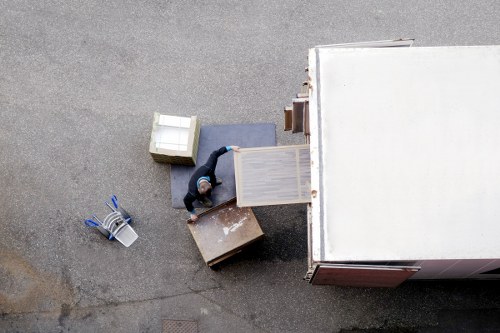
Every business move is different, and the needs of a local company in Lea Bridge can vary widely depending on the type of premises and the nature of the work. A small office might need careful packing of monitors, files, and IT equipment. A retail business may need shelving, display units, stock, tills, and fragile items moved out in a short window. A workshop or studio may rely on specialist handling for tools, machinery, or delicate production items.
One of the biggest advantages of choosing a local team for commercial removals in Lea Bridge is practical familiarity. Local movers are more likely to understand the road layout, peak traffic patterns, loading restrictions, and the types of access issues that can arise around mixed residential and commercial streets. That knowledge supports more accurate scheduling and better planning for vehicle positioning, manpower, and equipment.
Business customers often need more than transport. They need careful coordination, safe handling, and a move that respects working hours, neighbouring properties, and building rules. A proper commercial moving service should be able to adapt to early starts, weekend moves, phased relocations, or after-hours work when needed.
What commercial moves in Lea Bridge can include

Commercial moves can cover a wide range of business types, from compact units to larger multi-room premises. In Lea Bridge, this often means moving businesses that operate from offices, high-street-style units, light industrial spaces, storage areas, or converted buildings. The service can be adjusted based on what needs to be relocated, how much preparation is required, and how quickly the move must be completed.
Common items handled during business relocations include desks, chairs, filing cabinets, meeting room furniture, reception items, printers, computers, server-related equipment, retail stock, shelving, branded displays, workshop tools, archives, and general office contents. Some moves also require dismantling and reassembly of furniture so that workspaces can be set up efficiently at the new site.
For local firms, a good moving plan often includes packing support, labelling, protective wrapping, loading, transport, unloading, and placement in the correct rooms or areas. This helps reduce confusion on arrival and makes it easier for staff to resume work quickly. If your business handles sensitive documents, fragile stock, or expensive devices, extra care can be built into the process.
Local access, traffic, and parking considerations

Lea Bridge sits in a part of East London where business premises may be close to busy main roads, residential streets, and shared access routes. That creates common challenges during a commercial move. Parking can be limited, loading space may need to be planned in advance, and larger vehicles may require careful timing to avoid causing unnecessary disruption.
This is where a local removals team can really help. They can assess the most practical approach for arrival, loading, and unloading based on the premises and the surrounding area. For businesses that are located in or near mixed-use buildings, the team may also need to work around stairwells, lifts, shared entrances, courtyards, or narrow access points. Good planning lowers the chance of delays and reduces the risk of damage to the building or the items being moved.
If your business is on a route with heavy traffic, it may make sense to schedule the move during quieter periods. Early morning, off-peak, or weekend relocations are often preferred by companies that want to minimise disruption to staff and customers. A flexible moving plan can be a real advantage when access and timing matter just as much as the transport itself.
How our commercial moving process works

A well-organised business relocation usually follows a clear process. It starts with understanding what needs to move, where it is going, and what matters most to your team. Some businesses need everything moved in one day. Others want a phased approach so that key operations can continue while some departments are relocated first.
Once the scope is clear, the move can be planned around access, packing needs, equipment protection, and any special handling requirements. On moving day, items are prepared, labelled, and loaded in an orderly way so that they can be unloaded and placed correctly at the destination. If furniture needs dismantling, it is usually done in a way that supports efficient reassembly later.
A strong commercial moving service also pays attention to communication. Businesses need to know when the team will arrive, how long different stages are expected to take, and what can be done to speed up the process. That clarity helps managers prepare staff, manage customer expectations, and keep the move under control.
What is included in a commercial move

Different moves require different levels of support, but many businesses in Lea Bridge look for a service that can handle the practical essentials in one place. Depending on the setup, commercial moving services may include packing support, wrapping and protection, dismantling and reassembly, loading and unloading, transport, and placement into the correct rooms or work zones.
For offices, this may involve taking care with IT equipment, office chairs, filing systems, confidential papers, and meeting room furniture. For retail customers, it may include stock, display units, counters, and fixtures. For light commercial or workshop users, the emphasis may be on tools, equipment, storage units, and items that need careful securing during transit.
Good movers do more than lift and carry. They help protect the condition of your assets and reduce the chance of business interruption. In many cases, they can also help with practical organisation, such as keeping departments or item groups separate so that unpacking at the destination is much easier.
Types of commercial customers we support in Lea Bridge
Lea Bridge includes a mix of business types, which is why a flexible moving service is so useful. A local team may support a wide range of customers, from independent operators to established firms that need a dependable relocation partner. The service should be adaptable enough to handle different building types, business sizes, and moving deadlines.
- Offices relocating desks, chairs, computers, files, and meeting room furniture
- Retail shops moving stock, shelving, point-of-sale items, and display fixtures
- Studios and creative spaces with specialist equipment, artwork, or production materials
- Workshops and light industrial units with tools, machinery, and storage items
- Shared workspaces requiring structured moves with limited downtime
- Small businesses and start-ups moving from home-based setups into commercial premises
- Professional services firms with archives, client records, and office technology
Each business type has its own priorities. Some need speed. Others need careful handling of fragile equipment. Some need a strict schedule because staff are only available at certain times. The best service is one that adapts to those realities instead of forcing every customer into the same process.
Office relocations
Office moves often require careful organisation because staff need their equipment to be ready as soon as possible. Computers, monitors, printers, office chairs, filing systems, and desks need to be moved with care. If the office contains confidential documents, these should be treated with extra attention and handled in a way that suits your internal procedures.
In many office moves, the biggest concern is downtime. Businesses want to get back to work quickly, which is why it helps to label items clearly and plan which departments will be moved first. A local move team can work with your schedule to help keep disruption as low as possible.
Retail and shop moves
Retail relocations can be especially time-sensitive. Stock may need to be packed, categorised, and protected. Shelving, counters, mannequins, display stands, and tills may all need careful handling. For shops in busy parts of Lea Bridge and nearby areas, timing is often important so that the move does not interfere with customer traffic or trading hours more than necessary.
Retail customers also tend to benefit from a team that understands how to manage mixed loads, where one vehicle may carry both stock and furniture. Keeping items organised from the start makes reinstallation at the new premises much smoother.
Workshop and light industrial moves
Workshop relocations may involve heavier equipment or more awkward items. Tools, storage racks, machinery, and work surfaces may need to be prepared for movement in advance. Safety is especially important here, both for the items being moved and for the buildings involved. If equipment needs to be disconnected or made ready before transport, that should be planned carefully.
For these customers, a local commercial removals team can help with a methodical approach that respects the practical demands of the site. The aim is to avoid rushed handling and ensure that equipment arrives ready for the next stage of setup.
Benefits of choosing a local Lea Bridge moving company
Local knowledge matters more than many businesses realise. When a move is being arranged in Lea Bridge, a nearby team may be better placed to judge timing, parking, and access. That can save stress on the day and help avoid delays that might affect your wider business plans.
- Better area awareness for access routes, loading points, and traffic conditions
- More flexible timing for early starts, short notice changes, or weekend work
- Practical support for mixed residential and commercial surroundings
- Efficient coordination for businesses that need minimal interruption
- Local familiarity with building types, shared access points, and parking constraints
- Responsive planning when business needs change before moving day
There is also a reassurance factor. When you work with a team that regularly handles commercial removals in Lea Bridge and the surrounding East London area, you are more likely to get sensible advice based on local experience rather than a one-size-fits-all approach. That can be especially useful for customers managing a first business relocation or a move with limited downtime.
Preparation checklist for a business move
Preparation is one of the biggest contributors to a smooth relocation. The more organised the premises are before moving day, the easier it is for the team to work efficiently and the quicker your business can settle into its new location. A simple preparation checklist can make a noticeable difference.
- Confirm what needs to be moved and what will stay behind.
- Identify fragile items, sensitive equipment, and anything requiring special handling.
- Label desks, boxes, and furniture by department or destination room.
- Back up important digital files before disconnecting systems.
- Remove loose items from drawers, shelves, and worktops.
- Prepare key access details for both the current and new premises.
- Check lift use, stair access, parking arrangements, and loading restrictions.
- Inform staff of the move plan and any expected downtime.
- Set aside essential items needed for the first day at the new site.
- Arrange any required packing or dismantling support in advance.
Being ready before the movers arrive saves time and reduces stress. It also means fewer interruptions to your team, which can be especially important for businesses that are trying to keep service levels stable during the move.
Pricing factors for commercial moves
Many business customers want to know what affects the cost of a commercial move, even when they are not looking for a fixed price online. The main point is that business relocation costs depend on several practical factors rather than a single standard rate. Understanding those factors can help you plan more effectively and compare like-for-like service options.
Common pricing factors include the amount of furniture and equipment being moved, the size of the premises, the number of floors involved, access difficulties, packing requirements, dismantling and reassembly needs, and the distance between locations. Timing can also matter, particularly if the move must happen outside standard business hours or in a tight window.
For Lea Bridge customers, parking and access can also influence the overall plan because a move with difficult loading conditions may take longer and require more careful handling. If you request a quote, providing as much detail as possible will help the moving team assess the work accurately and suggest the most suitable approach.
What good service looks like on moving day
On the day of a commercial move, the best results usually come from a calm, structured process. The team should arrive with a clear understanding of the job, the access arrangements, and the order in which items need to move. That preparation allows work to begin efficiently without unnecessary confusion.
Strong on-site service means working carefully around walls, floors, door frames, and communal areas. It also means respecting the fact that many businesses cannot afford avoidable delays. If there are multiple departments, fragile items, or priority pieces of equipment, they should be handled according to the plan. Clear communication during the move helps everyone stay aligned.
For many businesses, the real value of professional movers is peace of mind. Knowing that the move is being handled in a methodical way allows managers to focus on staff, operations, and reopening rather than worrying about logistics.
Areas covered around Lea Bridge
Businesses in Lea Bridge often need moving support not only in the immediate area but also in nearby neighbourhoods and surrounding East London locations. A local commercial moving team may regularly work across nearby residential and business districts, helping firms relocate within the area or move to another part of London.
- Lea Bridge
- Walthamstow
- Leyton
- Clapton
- Stamford Hill nearby routes
- Tottenham fringe business locations
- Hackney and surrounding East London areas
- Marsh Lane and local industrial pockets
- Residential-to-commercial transitions across nearby streets
This wider reach is useful for customers who may be moving between offices, changing warehouse space, or relocating from a small local unit into a larger premises elsewhere nearby. It also helps if your business needs a move that involves multiple stops, storage handover, or phased delivery.
How to reduce downtime during your move
Every business wants to reopen or resume operations as quickly as possible after a move. One of the best ways to reduce downtime is to prepare the destination well before the first items arrive. Make sure rooms are clearly assigned, essential equipment is ready for setup, and anything needed on day one is easy to access.
Another helpful step is to keep important items separate from general contents. For example, the equipment needed to reopen a front desk, run basic admin tasks, or manage customer service should not be mixed in with less urgent storage items. When priority items are loaded and unloaded last or first as appropriate, the transition becomes much easier.
It is also wise to think about staff roles during the move. Some employees may be better placed to focus on packing, labelling, or overseeing specific rooms, while others handle customer communication or operational continuity. A coordinated approach helps the whole relocation run more efficiently.
Common concerns from local business customers
Customers planning commercial moves in Lea Bridge often ask similar questions. They want to know whether the team can handle fragile items, whether the move can be done outside normal hours, how access issues will be managed, and what they should prepare before the move day. These are all sensible concerns, and they are exactly the sort of details that should be discussed early.
Businesses with IT equipment may worry about safe handling. Retailers may be focused on stock organisation. Offices may be concerned about file order, furniture disassembly, and getting staff back to work quickly. The right removals service should be able to talk through those issues in practical terms and offer a plan that matches the size and pace of the move.
When in doubt, ask for a detailed moving plan. A clear plan helps set expectations, identifies any risks in advance, and gives you a better idea of how the relocation will be carried out.
FAQs
How far in advance should I book a commercial move?
It is usually best to arrange a business move as early as possible, especially if you need a specific date, limited access window, or after-hours relocation. Early booking gives more time to plan the packing, access, and scheduling details that matter most.
Can my business move outside normal working hours?
In many cases, yes. Early morning, evening, or weekend moves are often helpful for businesses that want to limit disruption. The availability of these options will depend on the move details and the type of premises involved.
Do you handle office furniture dismantling and reassembly?
Many commercial moving services can assist with dismantling and reassembly where needed. This is especially useful for desks, meeting tables, shelving, and other larger items that are easier to transport in sections.
What should I do with IT equipment before the move?
It is sensible to back up important data, disconnect equipment in an organised way, and label cables or components if needed. If your IT setup is complex, let the moving team know in advance so the correct level of care can be planned.
Can you move stock, archives, and sensitive business materials?
Yes, these items can usually be included, but they may need to be organised separately so that they remain secure and easy to identify. Sensitive files, stock, and archives are often best moved with a clear labelling system.
What if access is tight at my current or new premises?
Tight access is common in commercial moves, especially in built-up local areas. A local team can usually plan around this with suitable vehicles, timing, and loading methods. The more detail you provide in advance, the easier it is to prepare.
Why businesses choose a professional removal team
Some businesses initially consider moving on their own, especially if the premises are small. However, once furniture, equipment, stock, and timing are taken into account, the value of professional help becomes clear. A trained team brings efficiency, physical support, and a structured approach that many businesses simply cannot replicate in-house.
Professional movers can also help lower the risk of damage to assets and reduce the chance of staff injury caused by lifting heavy or awkward items. For businesses that rely on quick reopening, those practical advantages are often worth prioritising. The aim is not just to finish the move, but to protect your business while doing it.
If you are comparing options for commercial moves in Lea Bridge, focus on experience, flexibility, and local knowledge. Those qualities matter when the job involves real buildings, real time pressure, and real business operations.
Book your commercial move in Lea Bridge
Whether you are relocating a small office, moving a retail unit, or arranging a larger business relocation, it pays to work with a moving team that understands the practical demands of Lea Bridge and the surrounding East London area. From access planning and safe handling to careful unloading and placement, a good commercial move should be designed around your business needs.
If you are preparing for a move and want to reduce disruption, request a free quote or contact us today to discuss your requirements. The earlier the move is planned, the easier it is to coordinate the details that keep your business running smoothly.
Book your service now if you want a well-organised relocation with the support of a local team that understands what matters to commercial customers in Lea Bridge.